North Indian vs. Himalayan Cuisine: What's the Difference?
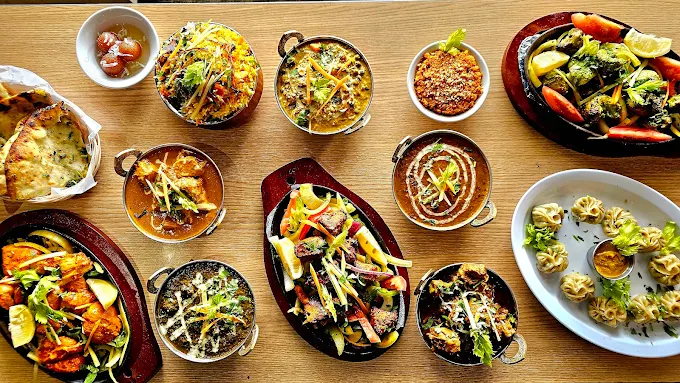
What's the difference between North Indian and Himalayan cuisine?
While Himalayan cuisine is found in the mountain regions of Nepal, Tibet, and northern India, North Indian cuisine is broader and includes many regional styles. The key differences lie in ingredients, cooking techniques, spice profiles, and historical influences.
| Aspect | North Indian | Himalayan |
|---|---|---|
| Region | Punjab, Uttar Pradesh, Delhi, Jammu & Kashmir | Nepal, Tibet, Bhutan, mountain states of India |
| Climate | Temperate plains | High altitude, cold climate |
| Signature Grains | Wheat, rice, maida (white flour) | Wheat, barley, millet, buckwheat |
| Cooking Method | Tandoor, ghee-based curries, breads | Steaming, boiling, minimal oil |
| Protein | Lamb, chicken, paneer, dairy | Yak, lamb, cheese, legumes, tofu |
| Spice Level | Rich, warming spices (cardamom, cumin, cinnamon) | Milder, fresh herbs (ginger, garlic, cilantro) |
| Signature Dish | Butter Chicken, Tandoori, Paneer Tikka Masala | Momos, Jhol Momos, Thukpa, Gundruk |
| Oil/Ghee Use | Heavy, cream-based sauces | Minimal, healthier preparations |
| Famous For | Tandoori meats, rich curries, naan | Dumplings, soups, simple comfort food |
Understanding North Indian Cuisine
What Is North Indian Food?
North Indian cuisine encompasses the cooking styles of northern India, primarily from states like Punjab, Uttar Pradesh, Himachal Pradesh, Jammu & Kashmir, and Delhi. It's characterized by:
- Tandoor oven cooking (clay oven roasting)
- Ghee-heavy curries with cream and butter
- Flatbreads (naan, paratha, roti, kulcha)
- Rich, warming spices (cardamom, cinnamon, bay leaves, cloves)
- Lamb and chicken as primary proteins
- Paneer (cottage cheese) as a vegetarian staple
- Influence from Mughal, Persian, and Afghan cuisines
Historical Context
North Indian cuisine developed over centuries under Mughal influence (1526-1857), when Persian and Central Asian cooking techniques were integrated into Indian food culture. This fusion created the rich, elaborate dishes we know today.
Key characteristics:
- Tandoori cooking came from Persia/Afghanistan
- Cream-based gravies (Mughlai style) became standard
- Spices blended into complex masalas (spice blends)
- Meat-centric dishes (historically for courts and nobility)
Signature North Indian Dishes
At Bhatti Himalayan Grill in San Diego, we specialize in North Indian favorites:
| Dish | What It Is | Why It's Special |
|---|---|---|
| Butter Chicken | Tandoori chicken in creamy tomato-butter sauce | Silky, rich, warming |
| Chicken Tandoori | Marinated chicken roasted in clay oven | Smoky, charred, aromatic |
| Paneer Tikka Masala | Paneer cubes in creamy tikka sauce | Signature vegetarian dish |
| Lamb Vindaloo | Lamb in spicy, tangy sauce | Bold, fiery flavors |
| Biryani | Fragrant rice with layered meat/vegetables | Aromatic, complex |
| Naan Breads | Tandoori-baked leavened breads | Soft, pillowy, versatile |
| Saag Paneer | Spinach and paneer in cream sauce | Creamy, earthy, rich |
Explore our North Indian Menu →
Understanding Himalayan Cuisine
What Is Himalayan Food?
Himalayan cuisine refers to traditional cooking from the mountain regions of Nepal, Tibet, Bhutan, and high-altitude areas of India (Himachal Pradesh, Ladakh, Uttarakhand). It's characterized by:
- Steaming and boiling as primary cooking methods
- Minimal oil and ghee (practical for high altitude)
- Local, seasonal ingredients (high-altitude vegetables)
- Comfort food focus — warming, sustaining dishes
- Fresh herbs (ginger, garlic, cilantro, fenugreek)
- Legumes and grains as protein staples
- Yak, lamb, and local dairy as traditional proteins
- Simple, rustic preparation with bold, fresh flavors
Historical & Environmental Context
Himalayan cuisine developed in harsh mountain climates where:
- Limited access to fresh ingredients year-round
- Need for non-perishable foods (dried legumes, preserved vegetables)
- Minimal fuel/firewood (efficient cooking methods like steaming)
- High altitude requires hearty, warming foods
- Nomadic traditions shaped portable, practical cuisine
Signature Himalayan Dishes
At Bhatti Himalayan Grill, we celebrate authentic Himalayan specialties:
| Dish | What It Is | Why It's Special |
|---|---|---|
| Steamed Momos | Hand-rolled dumplings with vegetable/meat filling | Handcrafted, textured, satisfying |
| Jhol Momos | Momos in sesame-tomato broth | Warm, soupy, comforting |
| Thukpa | Noodle soup with vegetables and meat | Simple, nourishing, hearty |
| Gundruk | Fermented vegetable side dish | Tangy, probiotic, traditional |
| Daal & Rice | Lentils with rice | Protein-rich, affordable, sustaining |
| Chiya | Himalayan spiced tea | Warming, aromatic, medicinal |
| Fried Bread (Puri) | Deep-fried flatbread | Light, airy, versatile |
The 6 Major Differences
1. Climate & Available Ingredients
North Indian Cooking:
- Temperate plains; year-round access to fresh vegetables
- Tomatoes, onions, peppers, spinach, eggplant — abundant
- Cream, milk, butter, yogurt — easily produced
- Wheat and rice as staple grains
- Lamb and chicken widely available
Himalayan Cooking:
- High altitude, harsh winters; limited growing season
- Root vegetables, leafy greens, beans — storage-friendly
- Yak dairy products traditionally used (now mostly goat/sheep)
- Barley, millet, buckwheat — cold-resistant grains
- Preserved vegetables (fermented, dried)
- Handcrafted cheeses for altitude adaptation
Practical Impact: North Indian cuisine is abundant and indulgent. Himalayan cuisine is efficient and resourceful.
2. Cooking Techniques & Equipment
North Indian Methods:
- Tandoor ovens — Clay oven for roasting meats and breads
- Heavy-bottomed pots — For slow-cooking rich curries
- Spice tempering (tadka) — Frying spices in hot oil/ghee to release flavors
- Layering flavors — Building complex sauces over hours
- Cream and yogurt — Key finishing ingredients
Himalayan Methods:
- Steaming baskets — Bamboo steamers for momos and breads
- Communal cooking pots — Simple, practical vessels
- Fresh herb finishing — Cilantro, ginger, garlic added at end
- Quick preparation — Efficiency-focused cooking
- Minimal added fats — Naturally lighter
What This Means: North Indian food is labor-intensive and technique-heavy. Himalayan food is quick, efficient, and rustic.
3. Spice Profiles & Flavor
North Indian Spices:
- Warm spices: Cardamom, cinnamon, cloves, nutmeg, bay leaves
- Aromatics: Cumin, coriander, fenugreek
- Heat: Moderate chili (not extreme)
- Flavor progression: Complex, layered, evolving on palate
- Use of spice blends (garam masala) — Multiple spices combined into paste/powder
Taste Profile: Rich, warm, deep, slightly sweet undertones
Himalayan Spices:
- Fresh aromatics: Fresh ginger, garlic, cilantro, scallions
- Simple spices: Cumin, salt, pepper, turmeric
- Heat: Fresh chili (immediate, clean)
- Flavor: Bright, direct, fresh, herbaceous
- Minimal blending — Spices used individually
Taste Profile: Clean, bright, fresh, warming from fresh ginger/garlic
"North Indian Butter Chicken uses cardamom, cinnamon, cloves, cream, and tomato for a complex, indulgent flavor. In contrast, Himalayan Momo Achar uses sesame paste, fresh ginger, garlic, and cilantro for a bright, direct taste."
4. Protein & Protein Preparation
North Indian:
- Tandoori marinating (overnight in yogurt + spices)
- Layered cooking — marinate → roast in tandoor → cook in curry
- Lamb and chicken — premium, celebrated
- Paneer — key vegetarian protein
- Cooking time: 30-60 minutes per dish
Himalayan:
- Simple seasoning — salt, ginger, garlic, cilantro
- Quick cooking — minimal processing
- Yak (traditionally), lamb, goat — lean, local
- Cheese — fresh, minimal processing
- Legumes and tofu — protein staples
- Cooking time: 15-30 minutes per dish
5. Fat Content & Preparation Philosophy
North Indian: Ghee-heavy, cream-based, pan-fried, and calorically dense. Designed as celebration cuisine.
Himalayan: Minimal fat, steamed or boiled, lighter, and health-conscious. Designed as everyday sustenance cuisine.
6. Bread & Grain Traditions
North Indian Breads: Naan (tandoori-baked, fluffy), Paratha (layered, buttery), Roti (whole wheat), Kulcha, and Puri.
Try our Garlic Naan, Cheese Naan, or Keema Kulcha →
Himalayan Grains: Barley bread, millet porridge, buckwheat, and simple unleavened steamed dough, alongside daal (lentil soup) as a core staple.
Which Should You Try First? A San Diego Dining Guide
Choose North Indian If You Want:
- ✓ Rich, indulgent flavors
- ✓ Smoky tandoori meats
- ✓ Creamy, butter-based curries
- ✓ Special occasion dining
- ✓ Complex spice profiles
- ✓ Variety of flatbreads
At Bhatti, order Butter Chicken, Tandoori Chicken, or Paneer Tikka Masala.
Choose Himalayan If You Want:
- ✓ Authentic, handcrafted comfort food
- ✓ Fresh, bright flavors
- ✓ Lighter, healthier options
- ✓ Unique dishes (momos, thukpa)
- ✓ Everyday casual dining
- ✓ Cultural authenticity
At Bhatti, order Steamed Momos, Jhol Momos, or Lentil Soup.
The Bhatti Difference: Both Traditions Under One Roof
At Bhatti Himalayan Grill, we celebrate both traditions with equal authenticity under the guidance of Executive Chef Sanjog Chaudhary (20+ years of Himalayan culinary experience).
View our complete menu combining both traditions →
Frequently Asked Questions
No. While Himalayan cuisine is found in northern mountain regions, North Indian cuisine is broader and includes many regional styles. Himalayan food is simpler, lighter, and historically shaped by mountain climate. North Indian food is richer, more complex, and influenced by Mughal courts.
Himalayan cuisine is generally lighter and uses less ghee/cream, making it a healthier choice for everyday eating. North Indian cuisine is richer and better for special occasions. At Bhatti, we offer both with customizable spice levels and dietary options (vegan, gluten-free).
Start with Steamed Momos — they're accessible, delicious, and show the essence of Himalayan cooking. Then try Jhol Momos (in broth) for something warming. If you want curry-based dishes, try Lentil Soup or Mixed Vegetables.
Yes! Bhatti Himalayan Grill serves both traditions authentically. In one meal, you can enjoy tandoori meats (North Indian) and handcrafted momos (Himalayan). This is rare and reflects Chef Sanjog's unique expertise.
Yes, extensively. Many Himalayan dishes are naturally vegetarian. Vegetable Momos, Jhol Vegetable Momo, lentil curries, and vegetable preparations are all vegan-friendly (without dairy). At Bhatti, we explicitly mark vegan options on our menu.
North Indian uses wheat, tandoor ovens, cream, and Mughal-influenced techniques. South Indian uses rice, coconut, tamarind, and simpler spices. They're distinct regional cuisines within India.
Himalayan food is moderately spicy with fresh, clean heat (from fresh ginger/garlic/chili). It's not fiery like North Indian Vindaloo. At Bhatti, you can request mild, medium, or spicy levels for all dishes.
Ready to Experience Both Traditions?
Visit Bhatti Himalayan Grill in San Diego for an authentic taste of North Indian and Himalayan flavors prepared by Executive Chef Sanjog Chaudhary.
